
Buying land in Costilla County, CO: the complete buyer guide
Seven checks to make before you buy in Colorado's San Luis Valley, in the order I'd make them, with the official sources linked.
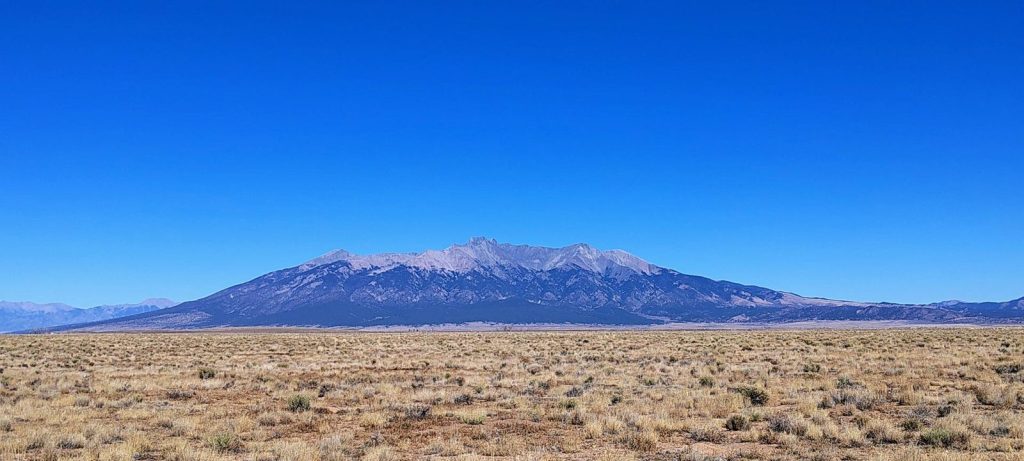
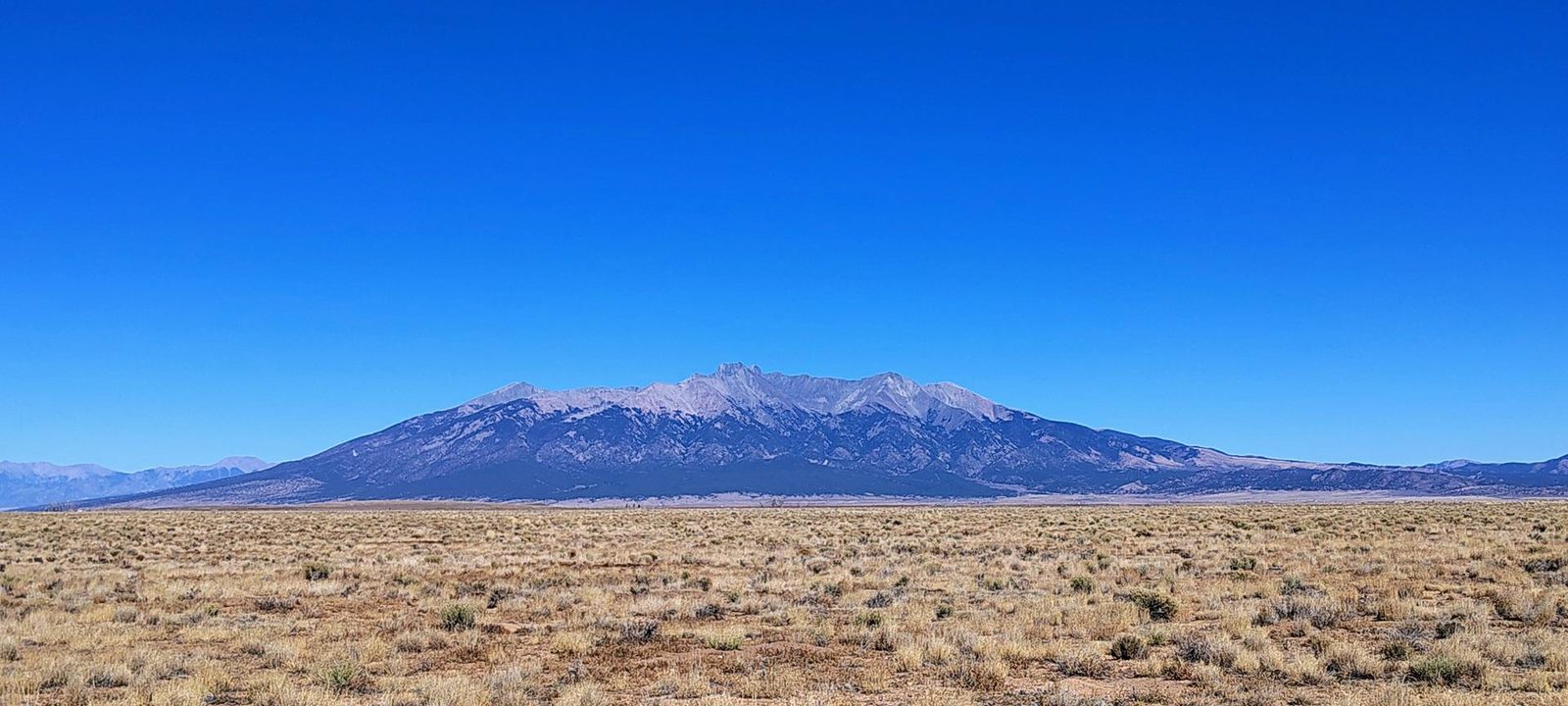
People who call me about land in Costilla County usually have big plans: a cabin they’ll build themselves or a place to pull in with the camper on long weekends. The land is wide open and the views of the Sangre de Cristo Mountains are real. The questions that matter most, though, are about water, wastewater, permits and how long you can stay. Those are the ones that decide whether your plan works.
Costilla County is direct about this. Its Planning and Zoning page asks people to contact the department before purchasing land or starting any land use activity. I agree with that advice, and this guide is meant to help you show up to that call with the right questions.
Quick summary: what to check before you buy in Costilla County
- Zoning. What district is the parcel in, and what does the county’s Land Use Code allow there?
- Lot size and septic. Is the parcel at least one acre? If not, a septic system may not be allowed.
- Water. Can you get a well permit from the state, and if not, what’s your plan?
- Building. What does the county require for a home, a manufactured home or a small cabin?
- Road access. Do you have legal access, can you drive in, and have you budgeted for the county’s road access permit?
- Camping and RVs. How long can you stay before you need a permit?
- Flood zone, taxes and boundaries. What do the maps and county records show?
Step 1: Check the zoning and the Land Use Code
Costilla County regulates land use through the Costilla County Land Use Code, which is linked from the county’s Planning and Zoning Resources page. The county asks buyers to review the code before purchasing property or making any changes to it.
Many of the affordable parcels in the county are zoned Estate Residential (ER). Under the code, unincorporated areas the Assessor recognized as subdivisions when the code was adopted, and which are made up mostly of lots under 35 acres, fall into this district.
The code’s development standards for Estate Residential include:
- Minimum lot size: 1 acre
- Minimum setbacks: 20 feet in front, 5 feet on each side and 25 feet in the rear
- Maximum building height: two stories
The code also says setbacks for new construction are set during the land use permit review, so confirm the numbers for your parcel with the county.
One dwelling per parcel. The county’s Residential Development Policy and Procedure says only one dwelling is allowed per parcel unless the code specifically says otherwise. More than one requires a Special Review application and approval from the Board of County Commissioners.
Covenants and associations are on you. The same document says it’s the property owner’s job to research any subdivision covenants, and that the county won’t refund a permit later found to conflict with them. Some parcels have no HOA or POA, but others are in subdivisions with their own rules, so ask the seller and check the recorded documents.
Step 2: Lot size and septic
This is the check I’d put near the top of your list, because it can rule out a parcel by itself.
The county’s OWTS permit application (OWTS stands for onsite wastewater treatment system, which most people call a septic system) quotes this rule: an OWTS won’t be allowed in subdivisions or on platted lots smaller than one acre. If you’re looking at a small platted lot because the price is low, ask the county how that rule applies to it before you buy.
Here’s what the county’s procedures say about septic:
- An OWTS permit is required before the county will issue a construction permit for a new home, and the county may require the system to be installed first.
- Septic tanks must be at least 1,250 gallons.
- Composting or incinerating toilets aren’t allowed where the property can fit a conforming septic system.
- Living on a parcel that isn’t served by an approved system or a public sewer violates both the Land Use Code and the public health code.
- You’ll need a soil evaluation, and the county keeps a list of system contractors. Professional installation is recommended.
The application lists the fee for a new OWTS permit as $500.
Step 3: Water
Most rural parcels in Costilla County have no water on site. Your options are generally a well or a cistern filled with hauled water. Both depend on things a seller can’t promise.
Wells. In Colorado, the state issues well permits, not the county and not the seller. Costilla County is in the Division of Water Resources’ Division 3, which administers surface water and groundwater in the upper Rio Grande Basin. DWR’s Well Permitting page says complete applications are reviewed in the order received and can take up to 49 days.
The most important point comes from DWR’s Land Divisions and Water Supply page. DWR can’t confirm a well permit will be issued for a particular parcel, and can’t guarantee one, until it has your application and fee and has completed a full evaluation. A neighbor’s well is a good sign, but it isn’t a promise for your parcel.
Before you buy, you can use DWR’s Well Permit Search and Map Viewer, linked from the Well Permitting page, to see permits near the parcel. Each permit file lists the uses that well is allowed. That matters if you’re picturing a garden or animals, because a well permit spells out what the water can be used for.
On the county side, well drilling falls under a Minor Development permit, and you also need the state well permit.
Cisterns and hauled water. The county says Planning and Zoning may require a water source, such as a well or cistern, before it issues a construction permit. Cisterns must hold at least 500 gallons and be buried deep enough not to freeze.
Rainwater. It’s tempting to plan on catching rain, but Colorado limits it. According to DWR’s rainwater page, a home can collect rain from its roof in up to two rain barrels holding 110 gallons combined, for outdoor use on that property. It can’t be used for drinking or indoor household use. Properties that have or qualify for certain residential well permits may be able to collect more, but they need a separate permit first.
Step 4: Building a home, cabin or manufactured home
If you’re planning to build it yourself, here are the county rules to know from the start. They come from the Planning and Zoning page and the Residential Development Policy and Procedure.
- Building code. The county has adopted the 2018 International Residential Code. The countywide design criteria call for a 30-pound-per-square-foot snow load and a 115-mph wind load.
- Minimum size. New residential construction permits are only issued for structures of 600 square feet or larger, and a dwelling must have a kitchen and a bathroom. If you’ve seen a “tiny home friendly” listing, measure the plan against this rule first.
- Manufactured homes. They must be 1976 or newer, and you’ll need the HUD number and the Colorado certificate listed on the manufactured home permit. You also have to meet the same requirements as for a new home, and state plumbing and electrical permits are required.
- Sheds and garages come second. The county won’t permit a shed, garage or greenhouse unless a home exists or is permitted and under construction. You can’t live in an accessory building while you build.
- Shipping containers. The county’s procedures say containers are prohibited in residential zones, but one can be rented during construction to store materials. A 2025 county resolution covers temporary container use during construction, so check the current rule with the office.
- Permits expire. Construction permits last one year and must be renewed. The county’s Land Use Administrator can issue up to three annual permits; a fourth requires a variance from the Board of County Commissioners. Plan your build around that clock.
- Occupancy permit. You can’t live in a structure until it passes an occupancy inspection. That requires, among other things, a completed and inspected septic system, an installed water source, state electrical and plumbing permits with final inspections, and a working heating system.
The county says permit applications are generally reviewed within 10 to 15 working days. If you live out of the area, it suggests contacting the office several weeks before your trip so your permits are approved before you arrive. You can apply for permits online.
Step 5: Road access, legal and physical
“Road access” on a listing can mean a few different things, so it helps to break it into three questions.
- Legal access. Does the parcel touch a public road or a recorded easement? That comes from the plat and the deed, not a map app.
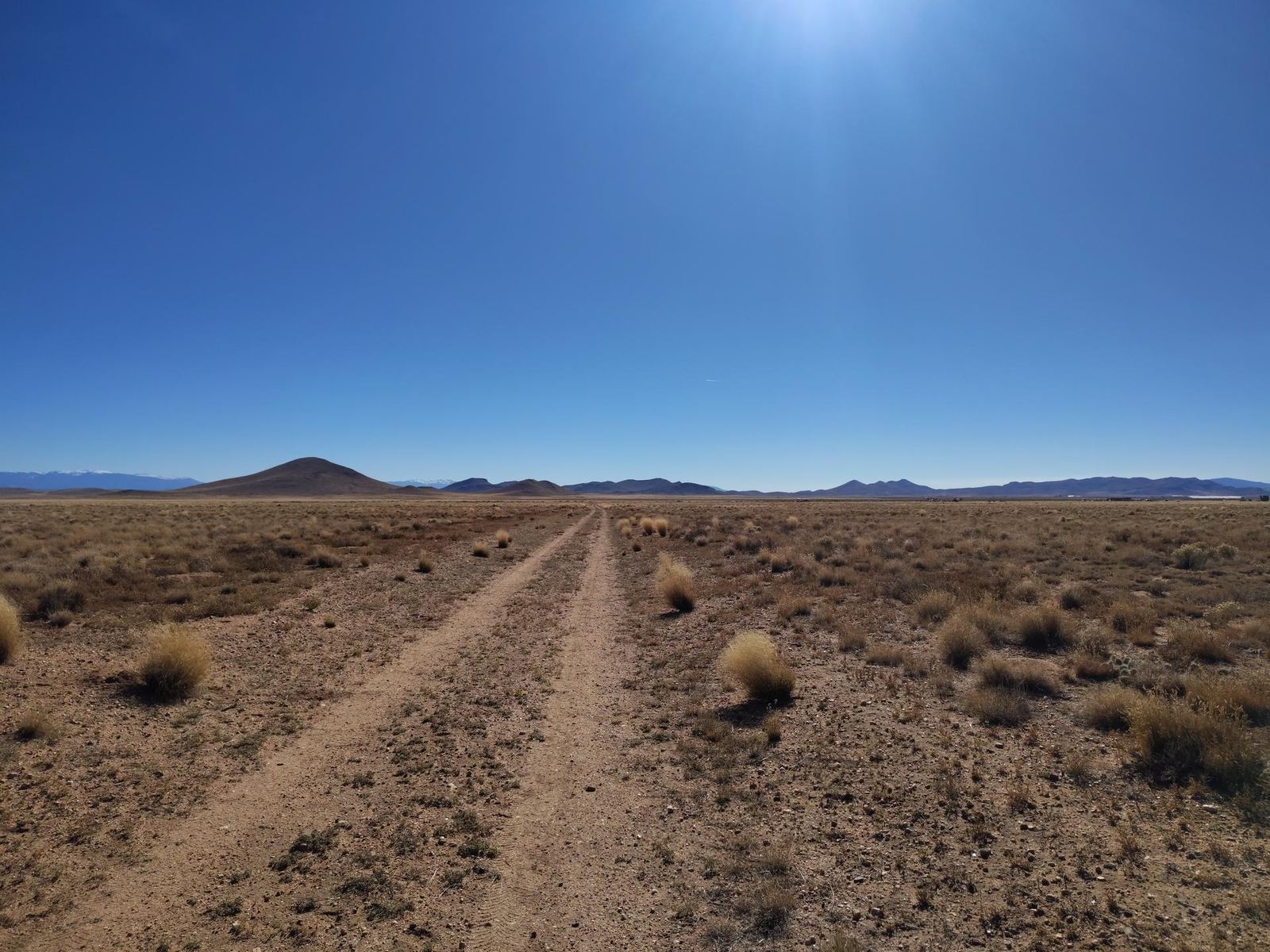
- Physical access. Can you actually drive to it, and in what vehicle? Visit in person if you can, and think about what a loaded trailer or a delivery truck would need.
- Seasonal conditions. Snow and spring mud can change what’s passable.
The road access permit. According to the county’s procedures, every undeveloped parcel needs a Road Access permit unless you can show one was issued for it before. The road access permit application lists a $200 fee and asks for a site plan and a driveway plan. The road access permit goes with a Minor Development permit, which covers work like a driveway, a culvert, a cistern, up to three power poles and drilling a well, as long as it’s all done within a year. The Minor Development permit isn’t a construction permit for a building.
Step 6: Camping and RVs
This is the question I get most, so here’s what the county’s code actually says.
Short stays. The Land Use Code says that using an RV or other camping shelter on the same parcel for more than a total of 14 days in any consecutive three months requires a Long-term Camping Permit from the Planning Department. In practice, staying 14 days or less in a three-month window doesn’t need that permit. If you want to stay longer, call the county about the long-term permit.
What an RV can’t be used for. The code says an RV can only be used as a temporary dwelling for travel, recreation or vacation. Using one for storage or as an accessory building isn’t allowed. The code also defines an RV, mobile home or structure used as a residence without a land use permit as a nuisance.
Living in an RV while you build. The county offers a Temporary RV Occupancy During Home Construction permit. Based on the current form, it:
- costs $350 and lasts 90 days, after which you have to apply again before it expires
- can’t run more than 18 months in total
- requires a construction permit for a new home, an RV hooked to an approved septic system, and a permitted well or an installed cistern
- allows one RV per parcel, and nothing can be attached to it
- requires visible progress on the home, plus inspection of the RV and the site before approval
The form is clear that an RV can never be used as a permanent dwelling. If you need to live on the land right away, that’s a real constraint, and it’s better to know it now.
Step 7: Flood zone, taxes, records and boundaries
Flood zones. The FEMA Flood Map Service Center is the official source for flood hazard maps. Search by address or coordinates. If the parcel turns out to be in a mapped floodplain, the county has a separate floodplain permit, listed on its Planning and Zoning Resources page.
Property records and taxes. The Costilla County Assessor has ownership, legal descriptions and values. The county’s Planning and Zoning page lists the Treasurer’s Office at (719) 937-7672 for tax payments. Vacant parcels here often carry modest annual taxes, but look up the actual figure for the parcel you’re considering. On our listings, we show each parcel’s annual tax and how it’s split into monthly payments.
Addresses. The county won’t issue a physical address for vacant land. Under its procedures, an address is assigned after an occupancy permit is issued, though a temporary address can be issued once a septic system is installed. The county lists a $20 fee for the address process.
Boundaries. The Costilla County GIS Property Search is useful for finding a parcel and planning a site layout. The county even suggests printing GIS images for permit site plans. GIS lines are approximate, though, so if you’re placing a well, septic system or building near a property line, hire a licensed surveyor to mark the corners.
How buying from Vibrant Vistas works
Here’s how our process fits with the steps above.
- No bank and no credit check. You buy directly from us under a land contract with 0% owner financing. Each property page shows the down payment, monthly payment and term. There’s a $249 document fee, and a $10 monthly note processing fee is included in your payment. You can read the details on our How Owner Financing Works page.
- What you can do while you’re paying. You can visit and use the property, camp where the county allows, and make minor improvements like a pad, a fence or clearing brush.
- What waits until it’s paid off. Living on the property, building a home or placing a mobile home, and work that needs a county or state permit, like a well, septic or utility installations. That includes the temporary RV occupancy permit above, since it requires a construction permit and a septic system. Once you’ve made the final payment, we record the deed in your name. If you need to live on the land right away, our financed properties may not be the right fit, and I’d rather tell you that now.
- 90-day money-back guarantee. Every owner-financed purchase includes one. If, within 90 days of signing the land contract, you decide the property isn’t right for you, we’ll either trade it for one that fits better or give you a full refund, minus the document fee. That gives you time to make the calls in this guide.
- Verify us too. We’re happy to send a copy of the recorded deed showing we own the property. You can find more ways to check us out on our FAQ page and About page.
Ready to look at land?
If you’re still researching, start with the steps above and the official links in each section. If you’ve found one of our Costilla County parcels and want to know whether it fits your plans, tell me what you’d like to do with it and I’ll give you a straight answer. You can see what’s available on our Costilla County properties page.
Call me at (435) 246-1224 or email eric@vvlands.com.
Eric Tanner
Vibrant Vistas
Sources
- Planning and Zoning, Costilla County, CO: https://www.costillacounty.gov/planning-and-zoning
- Planning and Zoning Resources, Costilla County, CO: https://www.costillacounty.gov/planning-and-zoning/page/planning-zoning-resources
- Costilla County Land Use Code (linked from the county's Planning and Zoning Resources page): https://drive.google.com/file/d/1DwO7UhJSaDWT-Uu9IbpjeqnU2fxEn9lq/view?usp=sharing
- Residential Development Policy and Procedure, Costilla County Planning and Zoning (linked from the county's Planning and Zoning page): https://drive.google.com/file/d/1-_QkiV_bSZ1oXu6PXvRvtdKFHMXYT8xk/view?usp=sharing
- Onsite Wastewater Treatment System Application, Costilla County: https://www.costillacounty.gov/media/2036
- Temporary RV Occupancy During Home Construction Permit, Costilla County: https://www.costillacounty.gov/media/4611
- Road Access Permit Application, Costilla County: https://www.costillacounty.gov/media/2046
- Manufactured Home Application, Costilla County: https://www.costillacounty.gov/media/2021
- Online permit portal, Costilla County: https://costillacountypermit.portal.iworq.net/portalhome/costillacountypermit
- Assessor, Costilla County, CO: https://www.costillacounty.gov/assessor
- Costilla County GIS Property Search: https://portico.mygisonline.com/html5/?viewer=costillaco
- Well Permitting, Colorado Division of Water Resources: https://dwr.colorado.gov/services/well-permitting
- Land Divisions and Water Supply, Colorado Division of Water Resources: https://dwr.colorado.gov/services/water-administration/land-divisions-and-water-supply
- Division 3 Office, Colorado Division of Water Resources: https://dwr.colorado.gov/division-offices/division-3-office
- Rainwater, Storm Water and Graywater, Colorado Division of Water Resources: https://dwr.colorado.gov/services/water-administration/rainwater-storm-water-graywater
- FEMA Flood Map Service Center: https://msc.fema.gov/portal/home
This guide is general information, not legal advice. Rules change; confirm everything for your parcel with the offices linked above. Privacy Policy · Terms